
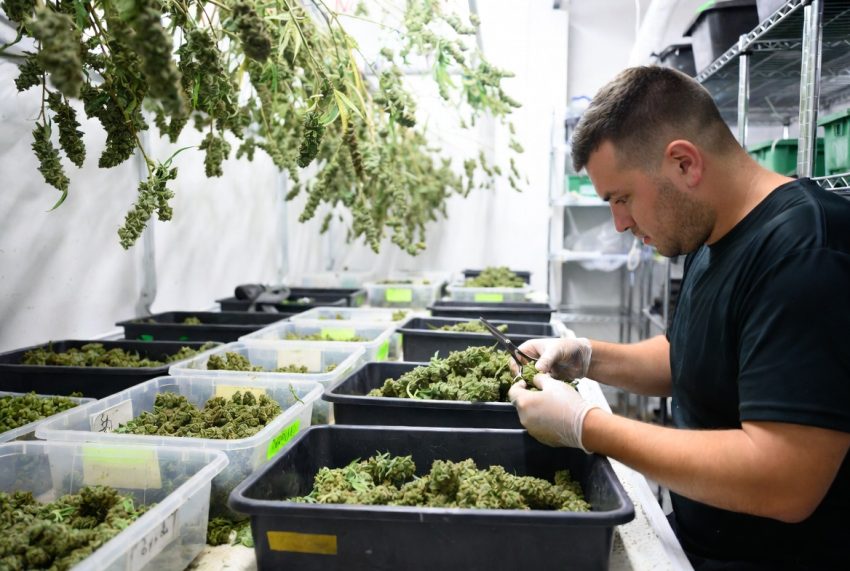
Trimming cannabis is one of the most important post-harvest tasks in the cultivation process. Proper trimming improves the appearance, aroma, smoothness, and overall quality of your finished flowers. Whether you are harvesting a few plants from a home garden or processing larger harvests, understanding the different trimming methods and tools can help you achieve better results while saving time and effort.
Why Trim Cannabis?
Cannabis flowers naturally develop surrounded by sugar leaves and fan leaves. While some small sugar leaves contain trichomes and can be saved for extracts, excessive leaf material can reduce bag appeal and negatively affect the smoking experience.
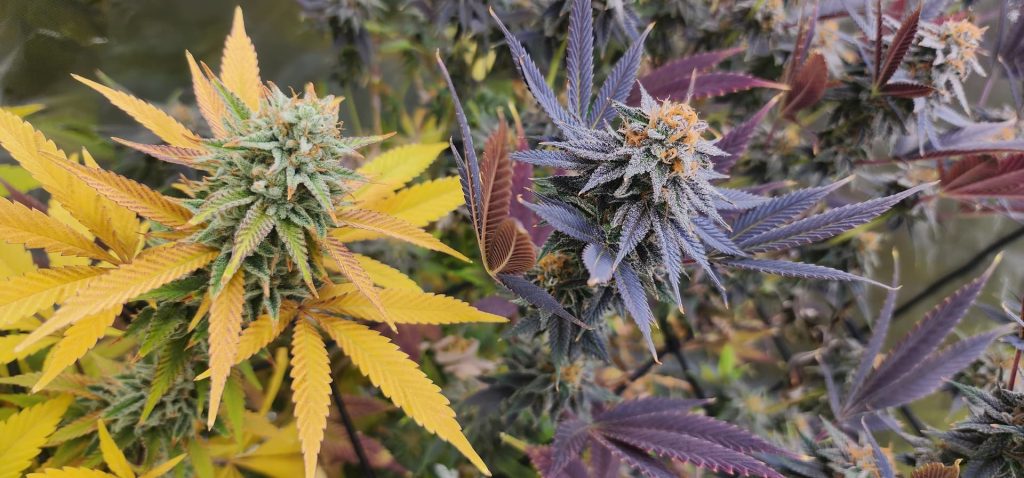
Benefits of trimming include:
- Improved appearance and marketability
- Better airflow during drying and curing
- Reduced risk of mold development
- Smoother smoking experience
- Easier handling and storage
- Better visibility of trichome-covered flowers
Wet Trimming vs Dry Trimming
One of the first decisions growers must make is whether to trim immediately after harvest or after the plants have dried.
Wet Trimming
Wet trimming involves removing leaves immediately after cutting down the plant.
Advantages
- Easier to remove leaves while they are still turgid and fresh
- Faster drying process
- Requires less storage space during drying
- Helps reduce humidity around dense flowers
- Easier for beginners to achieve a clean finish
Disadvantages
- Faster drying can sometimes reduce terpene preservation
- Flowers may shrink noticeably during drying
- More handling of fresh, sticky buds
Wet trimming is particularly useful in humid climates where mold prevention is a priority.
Dry Trimming
Dry trimming involves hanging the plant or branches to dry first, then trimming once moisture levels have dropped.
Advantages
- Slower drying can improve terpene retention
- Often produces a more premium finished product
- Buds retain their natural shape better
- Less risk of over-drying
Disadvantages
- Leaves become more difficult to remove
- Can be more labor intensive
- Requires additional drying space
Many craft growers prefer dry trimming because it can help preserve aroma and flavour when performed correctly.
Choosing the Right Trimming Scissors
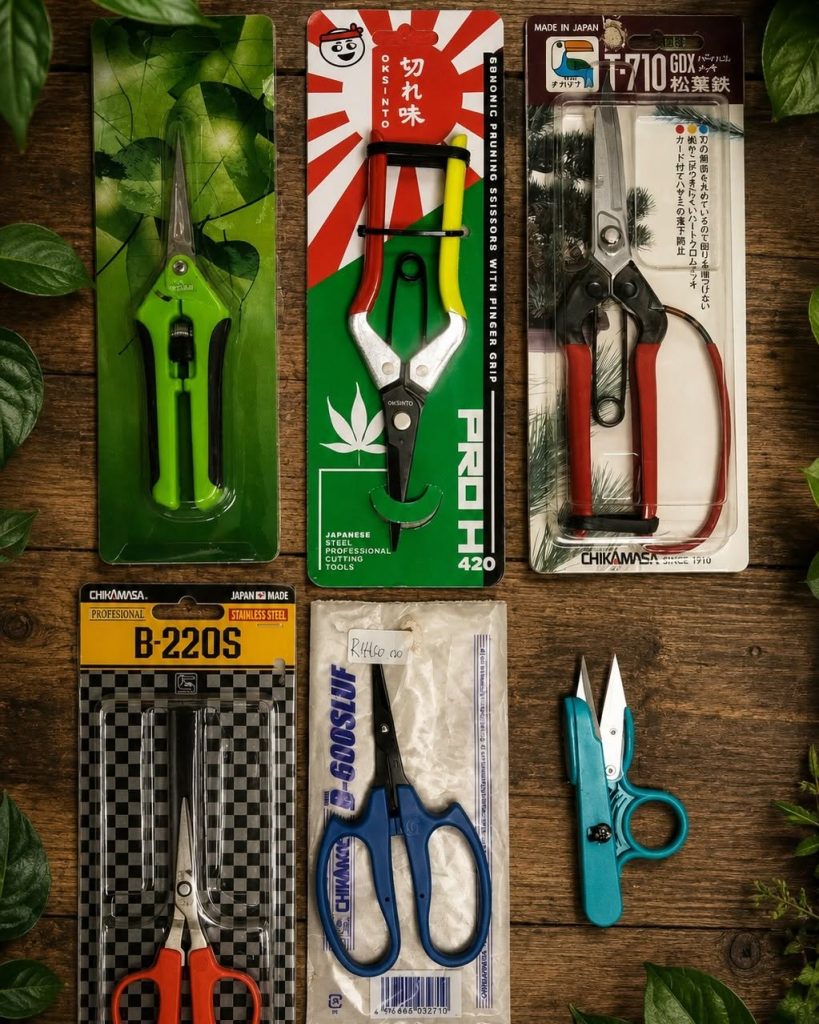
Quality trimming scissors make a significant difference in comfort and efficiency.
Spring-Loaded Trimming Scissors
These are the most common scissors used by growers. The spring automatically opens the blades after each cut, reducing hand fatigue during long trimming sessions.
Best for:
- Home growers
- Small to medium harvests
- Detailed manicuring
Curved Blade Trimmers
Curved blades allow growers to contour around flowers more naturally.
Benefits:
- Better precision
- Cleaner final appearance
- Faster trimming around dense buds
Straight Blade Scissors
Straight blades provide excellent visibility and control.
Best for:
- General trimming
- Fine detail work
- Precision cuts
Non-Stick Titanium Scissors
Cannabis resin quickly builds up on blades. Titanium-coated or non-stick scissors reduce resin accumulation and require less cleaning.
Tip: Keep a small container of isopropyl alcohol nearby to clean sticky blades periodically during trimming sessions.
Semi-Automated Trimming Machines
For larger harvests, trimming by hand can become extremely time-consuming. Semi-automated trimmers can dramatically increase productivity.
Trimbag – Collapsible Hand-held Dry Trimmer – CAMO EDITION
Bowl Trimmers
Bowl trimmers use rotating blades beneath a grate to remove excess leaf material.
Benefits:
- Affordable entry-level solution
- Processes multiple buds simultaneously
- Suitable for hobby farms and small commercial operations
Barrel Trimmers
Barrel-style trimmers gently rotate flowers while blades remove leaf material.
Advantages:
- Higher throughput
- Consistent results
- Suitable for larger harvests
Conveyor Trimmers
Commercial cultivators often use conveyor-based systems where buds pass through trimming chambers.
Benefits:
- High-volume processing
- Reduced labor costs
- Consistent output
While machines save time, many growers reserve hand trimming for premium flower and use machine trimming for extraction material or larger production runs.
Keep Your Trimming Area Clean and Organized
A clean workspace improves efficiency and helps maintain flower quality.
Good trimming practices include:
- Sanitizing work surfaces before use
- Wearing gloves to reduce contamination
- Using dedicated bins for flowers, trim, and waste
- Keeping tools clean throughout the session
- Maintaining comfortable lighting
- Ensuring good ventilation
Many growers use silicone mats or stainless-steel surfaces because they are easy to clean and resistant to resin buildup.
Save Your Trim
Not all trimmed material should be discarded.
Sugar leaves covered in trichomes can be used for:
- Dry sift production
- Hash making
- Rosin extraction
- Edibles
- Infusions
- Composting
Separate high-quality trim from fan leaves to maximize future use.
Label Everything for Future Reference
One of the most overlooked aspects of post-harvest processing is proper labeling.
Every container should include:
- Strain name
- Harvest date
- Drying date
- Trimming date
- Batch number
- Notes on aroma, appearance, or performance
Proper labeling helps growers:
- Track curing progress
- Compare different cultivars
- Monitor long-term storage
- Maintain breeding records
- Improve future harvests
For growers working with multiple varieties, accurate records can become invaluable months or even years later.
Trimming is often seen as one of the most labor-intensive stages of cannabis cultivation, but it is also one of the most rewarding. The care taken during trimming directly influences the final appearance, curing performance, and overall quality of the finished flower. Whether you choose wet trimming, dry trimming, hand tools, or automated equipment, a clean workspace, sharp scissors, and careful labeling will help ensure a successful harvest and a better experience for everyone who enjoys the final product.